
With rising energy costs and growing environmental concerns, many homeowners are looking for ways to reduce energy consumption and lower utility bills. One of the best places to start is with your HVAC (Heating, Ventilation, and Air Conditioning) system. An energy-efficient HVAC system keeps your home comfortable year-round and can save you money and reduce your carbon footprint. In this blog, we’ll explore the most efficient HVAC systems, how they work, and how you can maximize their efficiency for long-term savings.
Understanding HVAC Systems: What Makes Them Efficient?
HVAC systems are responsible for regulating temperature, humidity, and air quality inside a building. Efficiency in HVAC systems means using less energy to heat or cool a space while maintaining comfort. The more efficient the system, the less energy it consumes, leading to lower utility bills and a smaller environmental impact.
When considering an HVAC system, look for high energy-efficiency ratings. Features like variable-speed motors, smart thermostats, and proper insulation help reduce energy use while keeping your home comfortable.
Our team provides services for HVAC Brockton to make sure your system has efficient, energy savings.
Types of Energy-Efficient HVAC Systems
1. Heat Pumps
Heat pumps are among the most efficient HVAC options available. Instead of creating heat, they transfer it. In the winter, they pull heat from the outside air and bring it into your home. In the summer, they work in reverse, releasing warm air from inside your home.
Why are they efficient? Heat pumps don’t generate heat, they move it. As a result, they consume less energy than traditional heating methods. In milder climates, they can provide significant energy savings.
Efficiency Tip: Look for a high SEER (Seasonal Energy Efficiency Ratio) and HSPF (Heating Seasonal Performance Factor) rating for optimal performance.
2. Geothermal HVAC Systems
Geothermal systems use the earth’s stable temperature to heat and cool your home. A network of pipes buried underground takes advantage of this natural heat.
Why are they efficient? Geothermal systems are highly efficient, providing up to 400% efficiency. They don’t rely on fluctuating outside air temperatures, making them perfect for consistent performance year-round.
Long-term savings: While the initial investment is higher, geothermal systems pay off in 5-10 years with significant energy savings.
3. Ductless Mini-Split Systems
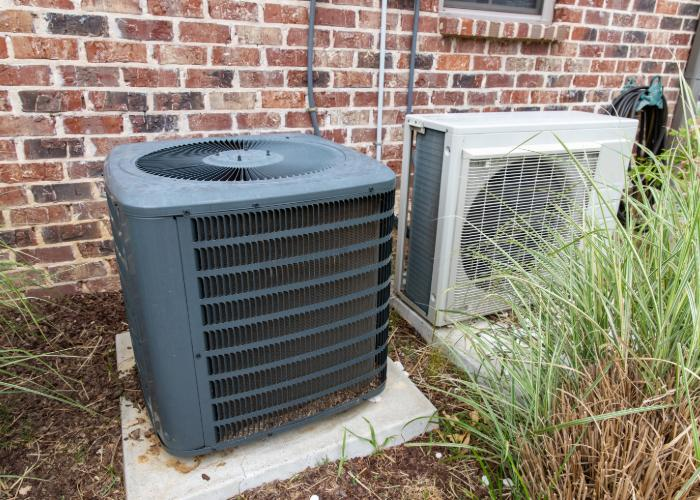
Ductless mini-split systems consist of an outdoor unit and one or more indoor units. These systems don’t require ducts, eliminating energy losses that often occur in traditional systems.
Why are they efficient? Ductless mini-splits use inverter technology to adjust the compressor speed, which reduces energy consumption. They are ideal for homes with no existing ductwork or for adding cooling to specific rooms.
4. High-Efficiency Furnaces
High-efficiency furnaces use advanced technology to extract more heat from fuel, reducing waste.
Why are they efficient? These furnaces have an AFUE (Annual Fuel Utilization Efficiency) rating above 90%, meaning they convert at least 90% of their fuel into heat.
Energy savings: High-efficiency furnaces save money on heating bills, especially during the colder months.
5. Variable-Speed Air Conditioners
Traditional air conditioners cycle on and off, wasting energy. Variable-speed air conditioners use a compressor that adjusts its speed based on cooling needs.
Why are they efficient? These systems run longer at lower speeds, reducing energy consumption and preventing temperature fluctuations.
Best for: Homeowners looking for consistent cooling without the energy waste of traditional systems.
Key Factors to Consider When Choosing an HVAC System
- Energy Efficiency Ratings: Check the SEER, HSPF, and AFUE ratings. The higher these numbers, the more energy-efficient the system.
- Proper Sizing: An HVAC system that’s too large or too small for your space will not perform efficiently. Have a professional determine the correct size.
- Installation and Maintenance: Proper installation is crucial for system efficiency. Regular maintenance, such as cleaning filters and checking for leaks, helps maintain peak performance.
How to Maximize the Efficiency of Your HVAC System
To get the most out of your HVAC system, consider these tips:
- Regular Maintenance: Schedule annual check-ups to ensure your system runs smoothly. This includes cleaning filters and inspecting the system for wear and tear.
- Programmable Thermostat: Use a smart or programmable thermostat to control temperatures based on your schedule, saving energy when you don’t need heating or cooling.
- Sealing and Insulation: Ensure your home is properly insulated and sealed around windows and doors to prevent energy loss.
- Zoning: Zoning systems allow you to control the temperature in different areas of your home, preventing energy waste in unused rooms.
Conclusion
Choosing the most efficient HVAC system for your home is a smart investment. Whether you opt for a heat pump, geothermal system, or high-efficiency furnace, investing in an energy-efficient HVAC system can reduce energy consumption, lower bills, and help the environment. By understanding your options and considering the right factors, you can make an informed decision that benefits your home and your wallet.
At Brockton HVAC Experts, we’re dedicated to helping you find the most energy-efficient HVAC solutions for your home. Our team of professionals will guide you through the selection process, provide expert installation, and ensure your system performs at its best for years to come. Contact us today to schedule a consultation and start saving on your energy bills!