
Your home’s foundation is the support system for everything above it. When issues arise, they not only pose safety concerns but also affect your property’s value. Cracks, uneven floors, and sticking doors are more than cosmetic problems; they often signal foundation movement that requires attention. Understanding the different repair methods available can help you make confident decisions about protecting your home.
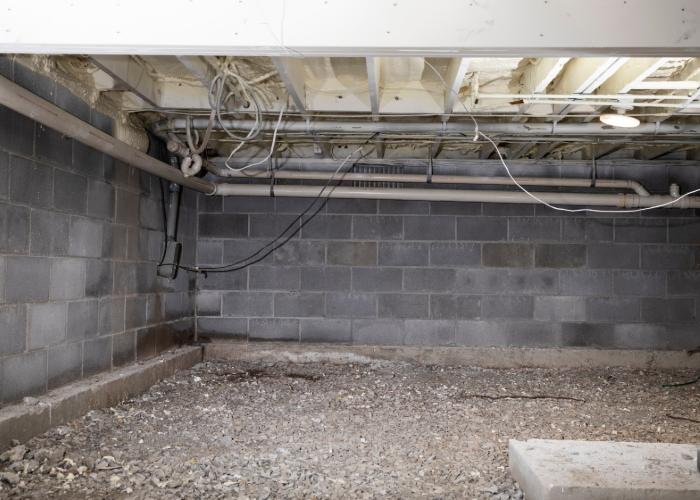
Many homeowners ask whether problems can be resolved effectively. The answer is yes, and professional solutions make all the difference.
If you need expert guidance, our company provides foundation repair San Diego services provide proven options to restore stability and safeguard your investment.
Why Foundation Repair Matters
When ignored, small signs of damage grow into costly problems. Soil movement, water intrusion, and natural settling all put stress on the base of your home. Foundation repair addresses these issues directly, preventing structural risks and protecting long-term equity.
Protecting Home Value
Buyers are hesitant to purchase homes with unresolved foundation problems. Completed repairs demonstrate responsible ownership and boost confidence during the resale process.
Preventing Safety Issues
Shifting foundations may lead to uneven floors, cracked walls, or stuck windows. Addressing the root cause ensures your home remains safe and comfortable.
Avoiding Escalating Costs
A small crack is often simple to repair, but waiting too long may require full structural reinforcement, which is far more expensive.
Common Foundation Repair Methods
There is no single solution that works for every home. Professionals evaluate soil conditions, the extent of damage, and the type of foundation before recommending a repair plan.
Concrete Piering
Concrete piers are installed under the foundation to provide long-term stability. This method is often employed when soil movement has resulted in significant settlement.
Steel Piers
Steel piers penetrate deep into stable soil layers, offering strong and lasting support. They are ideal for homes in areas with poor surface soils.
Helical Piers
Helical piers, shaped like large screws, are twisted into the ground. They provide excellent support and are especially useful for lighter structures.
Slabjacking or Mudjacking
This technique lifts sunken slabs by pumping a grout mixture underneath. It is often used for driveways, patios, and smaller structures, although it is less commonly used for major foundation repairs.
Crack Injections
Epoxy or polyurethane is injected into cracks to stop water intrusion and strengthen weak points. This method is most effective for minor issues rather than full settlement.
How to Choose the Right Repair Method
Selecting the right solution depends on the type of problem and your long-term goals. Foundation repair professionals will help you evaluate the best approach.
Consider the Severity of Damage
Minor cracks may only require injections, while significant settlement necessitates piers for support.
Evaluate Soil and Drainage Conditions
Soil type, moisture levels, and drainage play a large role in determining the most effective method.
Ask About Longevity
Some repairs are temporary fixes, while others provide lasting stability. It is important to know how long your chosen method will protect your home.
Get a Professional Inspection
A qualified contractor or structural engineer can pinpoint the true cause of foundation movement and recommend the best repair strategy.
Can You Stay in Your Home During Repairs?
Many homeowners worry about disruption. The good news is that most foundation repairs can be completed without requiring you to leave your home. While there may be noise and limited access to certain areas, professionals strive to complete projects efficiently and with minimal inconvenience.
Costs and Insurance Considerations
The price of foundation repair varies significantly depending on the method used and the extent of the damage. While some fixes are affordable, more extensive work may represent a larger investment.
Most insurance policies do not cover foundation issues caused by soil movement or gradual wear, but sudden events, such as burst pipes, may qualify. Reviewing your policy and asking your provider is the best way to understand your coverage.
Preventive Maintenance Matters
Repairs work best when paired with ongoing home maintenance. Simple steps reduce the risk of future damage and extend the life of your foundation.
Maintain Proper Drainage
Ensure gutters and downspouts move water away from your home.
Monitor Soil Around the Foundation
Maintain a consistent moisture level in the soil to prevent expansion and contraction that can stress the foundation.
Schedule Regular Inspections
Annual inspections help catch early warning signs before they require major intervention.
According to Ready.gov, proactive maintenance is one of the best ways to prepare homes for environmental challenges. Taking preventive steps not only supports a stronger foundation but also helps protect your investment.
Conclusion
Foundation problems can be overwhelming, but selecting the right repair method ensures your home remains strong and valuable. By understanding available solutions and collaborating with professionals, homeowners can safeguard their safety, comfort, and equity for years to come. For expert service tailored to your property, Better Foundation Repair San Diego is ready to provide reliable foundation repair solutions you can trust.